
🌼 Gardening for Pollinators: Creating a Garden That Works With Nature
🌿 A Natural Balance
There’s a common idea that supporting wildlife means letting a garden grow unchecked.
In reality, it doesn’t have to be like that.
A garden can feel considered, structured, and well looked after, while still supporting the life around it. It’s not about stepping back completely, but about guiding the space in a way that works with nature rather than against it.
That balance is where a garden starts to feel both calm and alive.
🐝 Why Pollinators Matter
Pollinators play a quiet but essential role.
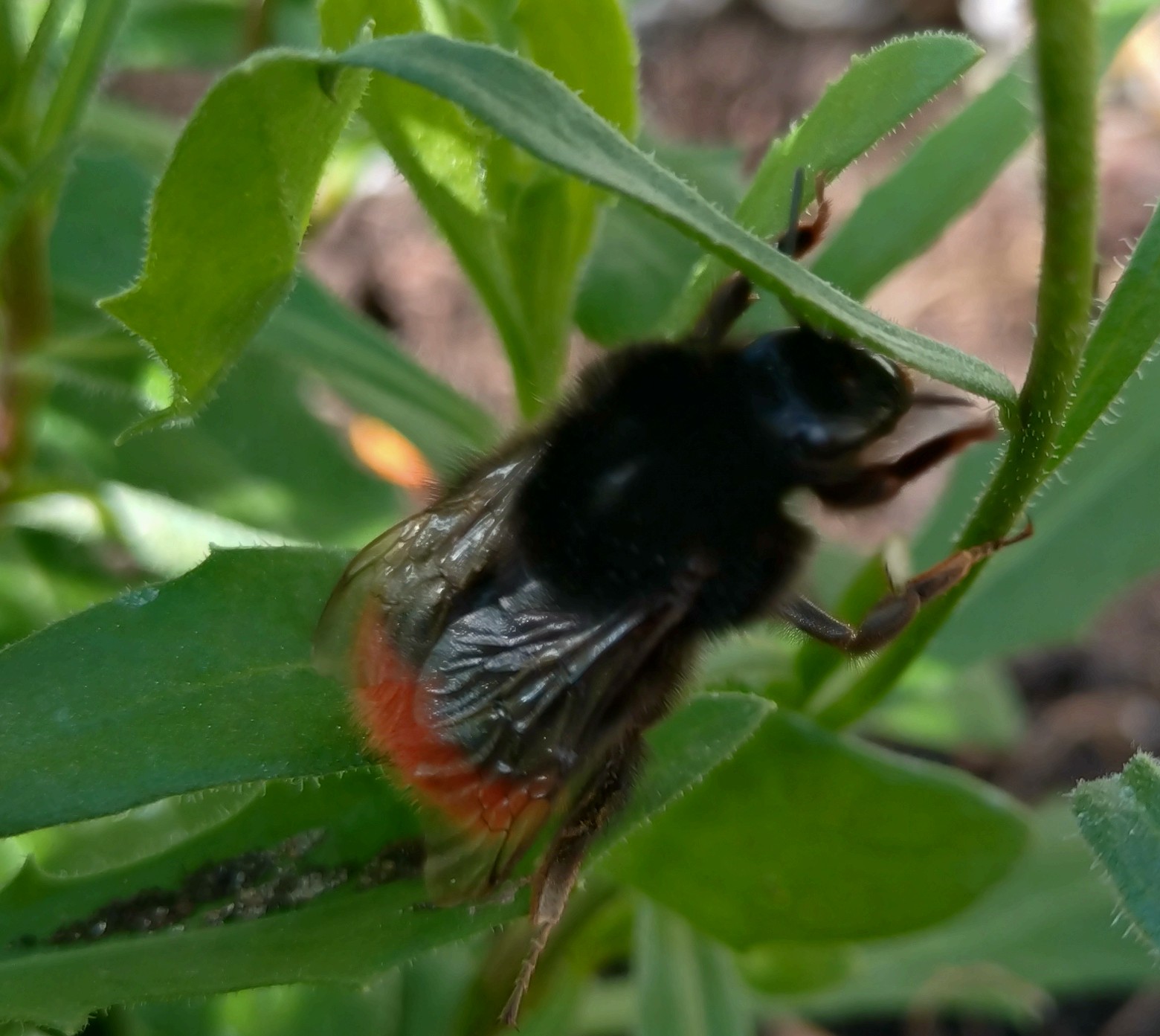
Bees, butterflies, and other insects support plant life far beyond the garden itself. Without them, much of what we rely on simply wouldn’t function in the same way.
It’s something I became more aware of in my own garden. At the beginning, there was very little life. As planting developed, insects began to appear, and with them came birds and more activity throughout the space.
It didn’t happen all at once, but the change was clear.
🌸 Planting That Supports Life
The simplest way to support pollinators is through planting.
Choosing plants that flower at different times of year creates a steady source of nectar and pollen. Early spring, mid-summer, and late autumn all play a part.
It doesn’t need to be complicated. A few well-chosen plants, placed thoughtfully, can make a real difference.
Structure still matters. Shape, height, and spacing all contribute to how the garden feels. The aim isn’t to fill every gap, but to create layers that work together and allow the space to breathe.
🌼 A Garden That Still Feels Like a Garden
Supporting wildlife doesn’t mean losing control of the space.
A garden should still feel like somewhere you want to spend time. Clear areas to sit, defined planting, and a sense of flow all play a part in that.
In many ways, a well-planned garden will naturally support more life than one that’s left unmanaged. When planting is considered and conditions are right, wildlife tends to follow.
There’s a growing understanding of this approach, with organisations like the Wildlife Trusts highlighting how even small, intentional changes can support biodiversity.
🌱 Small Changes That Make a Difference
It doesn’t take a full redesign to start supporting pollinators.
Adding a few flowering plants, extending the season of interest, or introducing a small water source can all shift how a space functions. Even a single container can provide something valuable.
These changes build over time. What starts as a small adjustment can gradually transform how the garden feels and how it’s used.
🌿 Bringing It Into Your Own Space
If you’re already thinking about how your garden could support more life, that’s usually where it begins.
Not with a complete overhaul, but with a few thoughtful decisions that guide the space in the right direction.
That way of approaching a space builds directly on the ideas in How to Start Your Garden: From Idea to Reality, where the focus is on understanding and shaping a garden before trying to fill it.
In the next post, I’ll look more closely at how planting can be layered to create a garden that feels full, balanced, and works across the seasons.
Because in the end, it’s not about choosing between a garden that looks good and one that supports wildlife.
It’s about creating something that does both, naturally.