🌿 Our Connection to Nature: Why It Matters More Than Ever
🌱 A Natural Connection
There’s something instinctive about being drawn to nature.
Even in small ways people notice it. A bit of greenery outside a window, the sound of leaves moving or the presence of some colour or a beautiful scent in the air. It doesn’t need to be a large space to have an impact.
I didn’t always think about it in those terms. But looking back it became clearer over time, especially during periods where things felt more difficult or disconnected. Being outside even briefly seemed to shift something. Not dramatically but enough to notice.
🌿 Finding Calm Outdoors
That connection became more obvious when I started working on my own garden.
At the beginning the space felt empty. There was little life in the soil, hardly any insects and no real presence of birds or wildlife. As I added plants insects began to appear. Then came the birds and when I introduced a small pond the whole atmosphere of the garden shifted almost instantly.
Spending time outside adjusting thing, and watching those changes happen brought a sense of calm and focus that was hard to find elsewhere. Not because everything looked right but because it was moving in the right direction.
Over time as things began to settle and connect that feeling only grew stronger.
🌸 More Than Just a Space
That’s when it starts to shift from being something you look at to somewhere you actually want to spend time.
A garden doesn’t need to be perfect to do that. In fact, it often feels better when it isn’t. When it’s slightly unpredictable, a bit softer around the edges, and constantly changing.
Spaces like that draw you in. They hold your attention without needing to try too hard.
That’s something I touched on in Where It All Began: My Garden Journey, where the focus was less on creating something instantly finished, and more on allowing a space to develop naturally over time.
🐝 Feeling Part of Something Bigger
There’s also a wider connection that starts to emerge.
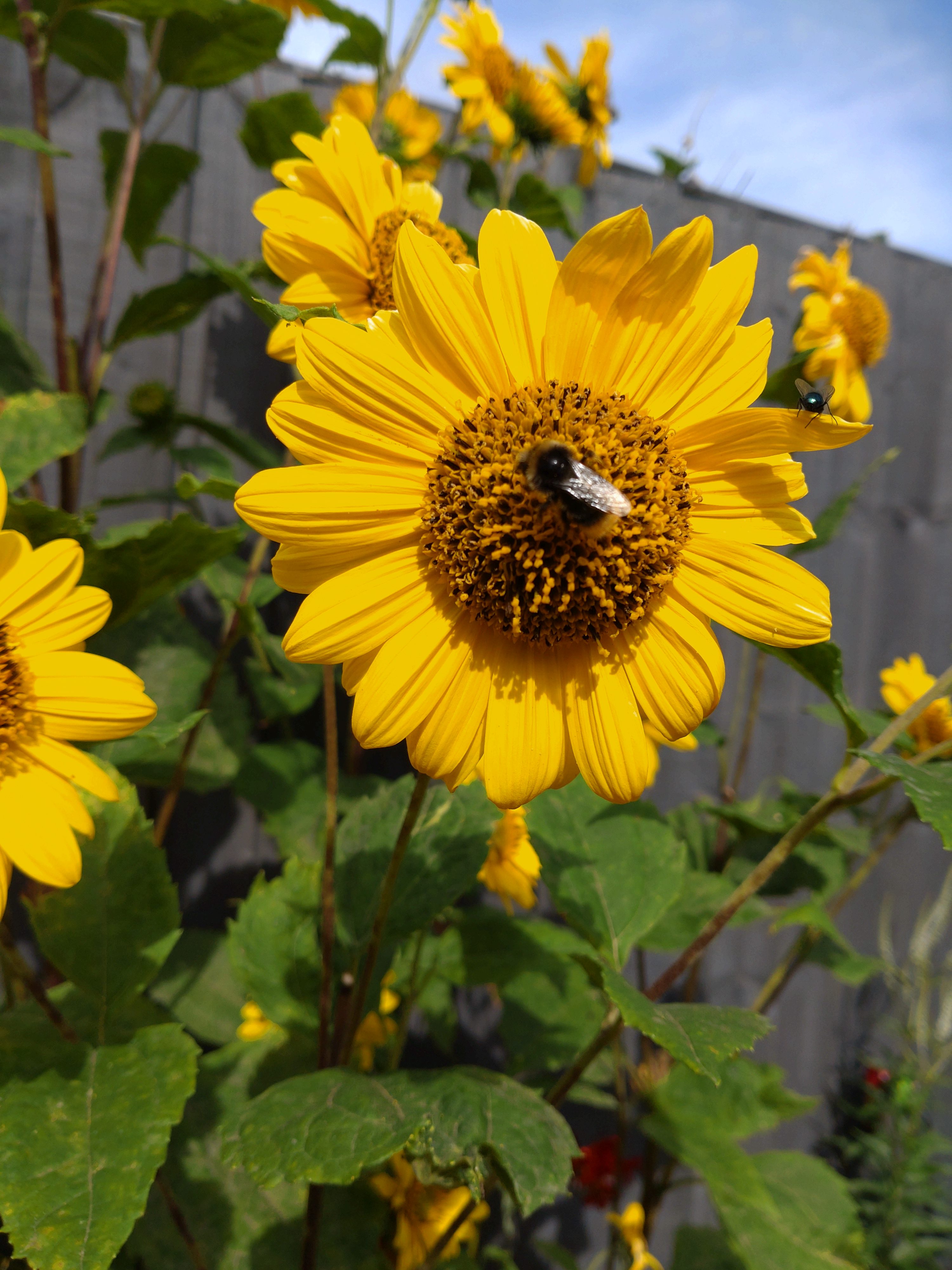
As planting becomes more established, you begin to notice more life. Bees moving between flowers, insects you didn’t see before, birds using the space in ways you hadn’t expected.
It’s a reminder that a garden isn’t separate from nature, it’s part of it.
Even in built-up areas, gardens contribute to something much larger, acting as small but important links in local wildlife corridors. By including plants that support pollinators and provide year-round interest, a garden becomes part of that network.
If you’re interested in learning more about how small spaces can support wildlife, organisations such as the RSPB offer practical advice on creating gardens that attract birds and other wildlife.
🌼 Small Changes, Real Impact
One of the most important things to realise is that it doesn’t need to be a large garden.
A few well-chosen plants, a small area of planting, even a single container can begin to create that connection. Over time, those small changes build into something more noticeable.
It’s not about scale, it’s about intention.
🌿 Bringing It Into Your Own Space
If you’re starting to think differently about your own space, that’s usually where it begins.
Not with a complete plan, but with an awareness of how the space feels, and how it could develop over time.
That’s something I explored further in How to Start Your Garden: From Idea to Reality, where the focus shifts into practical ways to shape and guide a space so it works naturally.
Because in the end, it’s not just about creating a garden.
It’s about creating a space that connects you back to something simple, steady, and always evolving.